
PVC formulations often need anti-static control in packaging, flooring, films, cable compounds, and industrial parts. Static is not only a nuisance. It can attract contamination, interfere with handling, and in some environments increase safety risk.
Anti-static performance usually comes from additives that increase surface conductivity or promote a thin conductive moisture layer. That sounds straightforward, but formulation tradeoffs quickly appear. Additives can migrate, interact with plasticizers, affect clarity, or lose effectiveness when environmental humidity changes.
Permanent anti-static approaches, such as conductive fillers or inherently dissipative polymer phases, can reduce migration concerns but may complicate color, gloss, flexibility, or cost. Migratory packages are easier to process but often require a closer look at long-term stability and end-use exposure.
Processing conditions also matter. Shear history, fusion quality, and additive dispersion influence how evenly the anti-static mechanism is distributed through the compound and how rapidly it becomes active at the surface.
That is why anti-static PVC design is really a formulation systems problem. Performance depends on the full package, not just a single additive name on the recipe sheet.
Related reading
More journal reading and science coverage connected to this topic.

Ancient Carbon Is Pouring Into Arctic Rivers as Alaska’s Permafrost Thaws Faster
A new study in Global Biogeochemical Cycles shows that northern Alaska is sending more freshwater and more long-frozen organic carbon into the sea as…
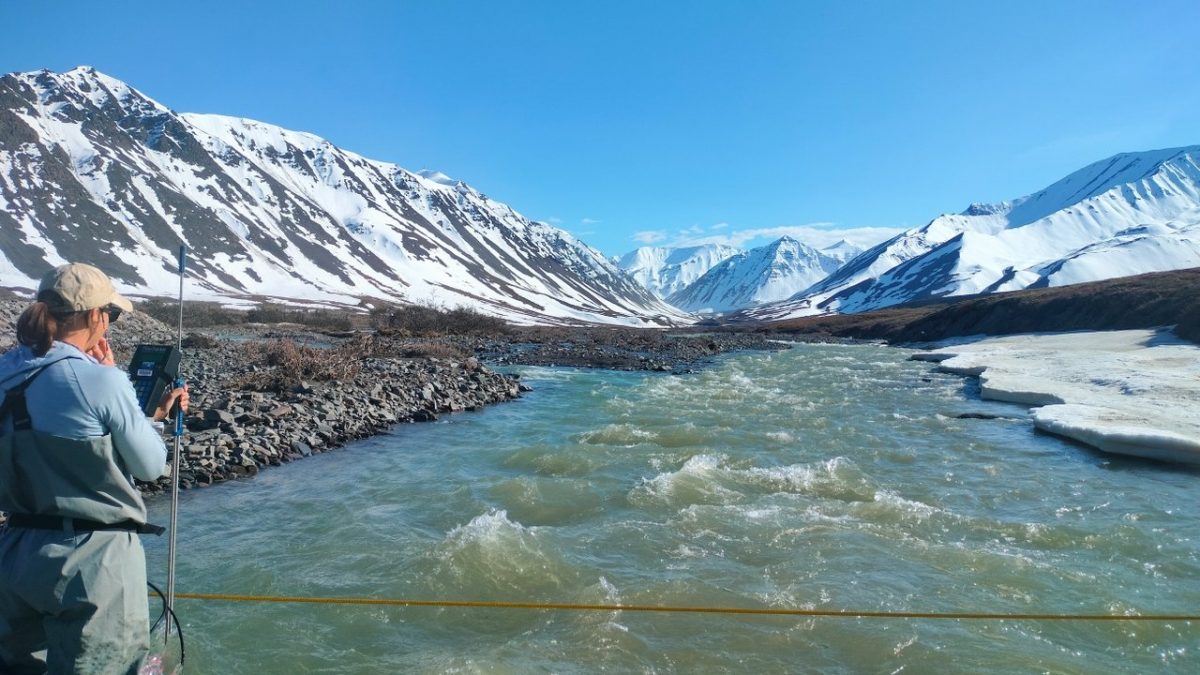
Ancient Carbon Is Flooding Arctic Rivers as Permafrost Melts Faster
A warming Arctic is opening a new route for old carbon to re-enter the climate system. In a new study published in Global Biogeochemical…

Ancient Carbon Is Flooding Arctic Rivers as Permafrost Melts Faster
A new study in Global Biogeochemical Cycles suggests the Arctic is opening a much older carbon vault than scientists once thought. Led by Michael…